Essential Paddling Gear: What I Never Leave Behind
The tried-and-trusted gear that comes with me every time I paddle.
One of the questions I get asked most often is what gear I carry when I head out on the water.
The truth is that my gear varies depending on the trip.
A short paddle on a local lake or stream requires less preparation than a full day exploring a remote Adirondack waterway.
But there are a few items that almost always come with me, no matter where I'm paddling.
Here are some of the essentials I rely on.
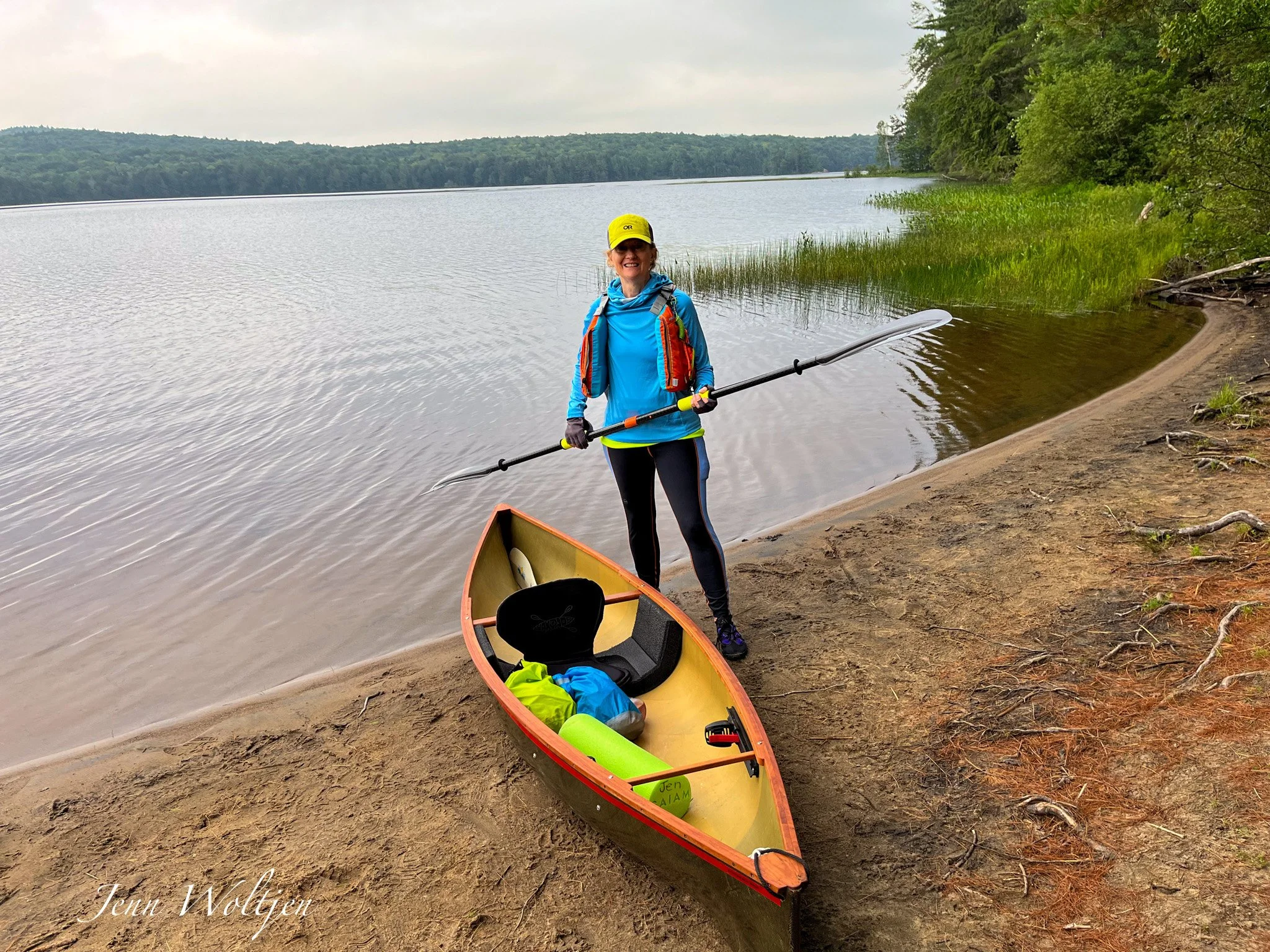
Heading out on a short paddle on Little Tupper Lake in the Whitney Wilderness of the Adirondacks.
Personal Flotation Device (PFD)
Let's start with the obvious one.
A properly fitting paddling life jacket (also known as a Personal Flotation Device) is the most important piece of paddling gear I own. It doesn't do much good if it's stowed away in the boat, so I wear it whenever I'm on the water.
Fortunately, today's paddling-specific PFDs are lightweight, comfortable, and designed to allow freedom of movement while paddling.
I love my Stohlquist PFD because it is comfortable, has a lot of easily accessible pockets and best of all, it comes in many different sizes.
I chose the bright orange color because it makes me be seen easily by others.
NRS also has an extensive product line of paddling life jackets.
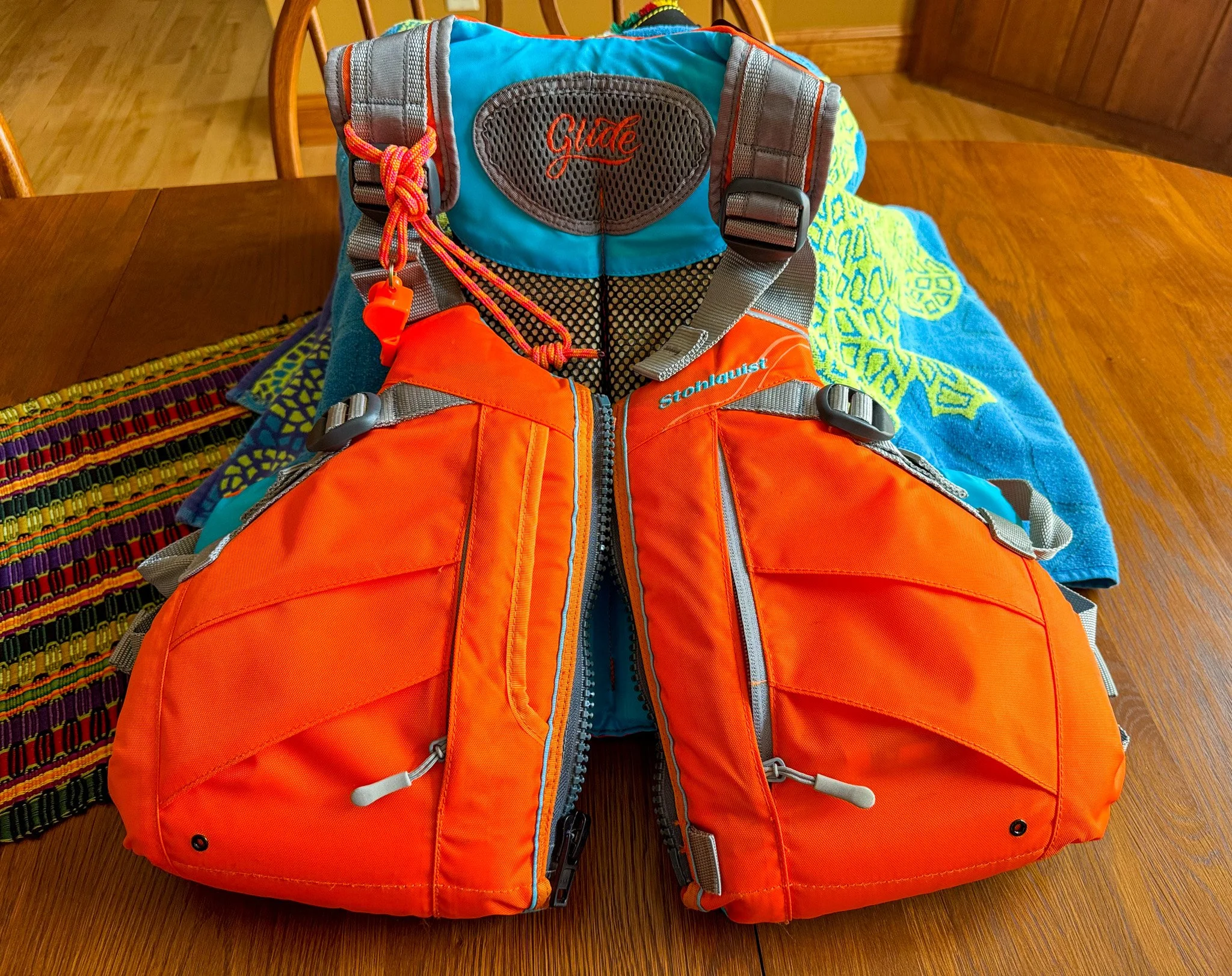
My bright orange Stohlquist flotation vest.
Look for a PFD with pockets large enough to hold your phone and other items you wish to be readily accessible.
I suggest trying on different sizes to make sure you find the best fit for you. Make sure it is adjustable to expand for extra layers of clothing.
My Paddle
A good paddle can make a surprising difference in comfort and efficiency.
I've learned that using a lighter paddle reduces fatigue, especially during longer outings.
Whether I'm exploring quiet ponds or covering several miles of open water, a paddle that feels right in my hands makes the experience more enjoyable.
Choose a paddle to fits your hands and as light as you can afford. The longer I am paddling, the lighter the paddle I want.
Personally, I use Aqua Bound paddles. They come in all price ranges with many made of lightweight carbon models. Werner Paddles make exceptional products, too.
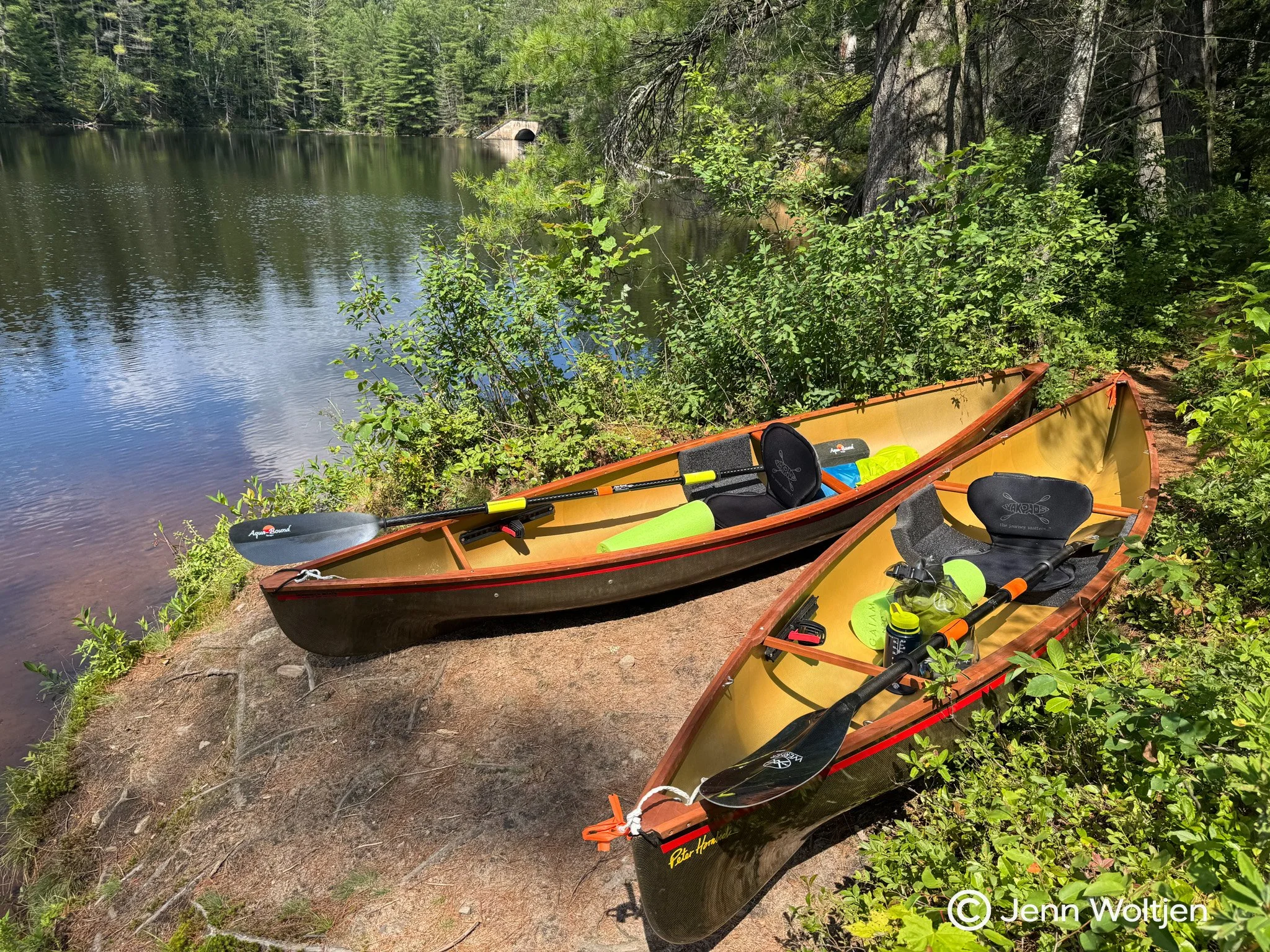
My Aquabound paddle on the left and my husband’s Werner paddle on the right.
Extra Clothing and Emergency Essentials
An extra layer of clothing is always a good idea to bring along when on the water.
Being cold and wet at the same time is not a good idea.
I also carry a few emergency items, including a light source (headlamp or flashlight), a fire starter and a emergency shelter or bivy.
My Heatsheets Emergency Bivvy is light and very small.
Most days, these items stay tucked away in my dry bag — nearby just in case.
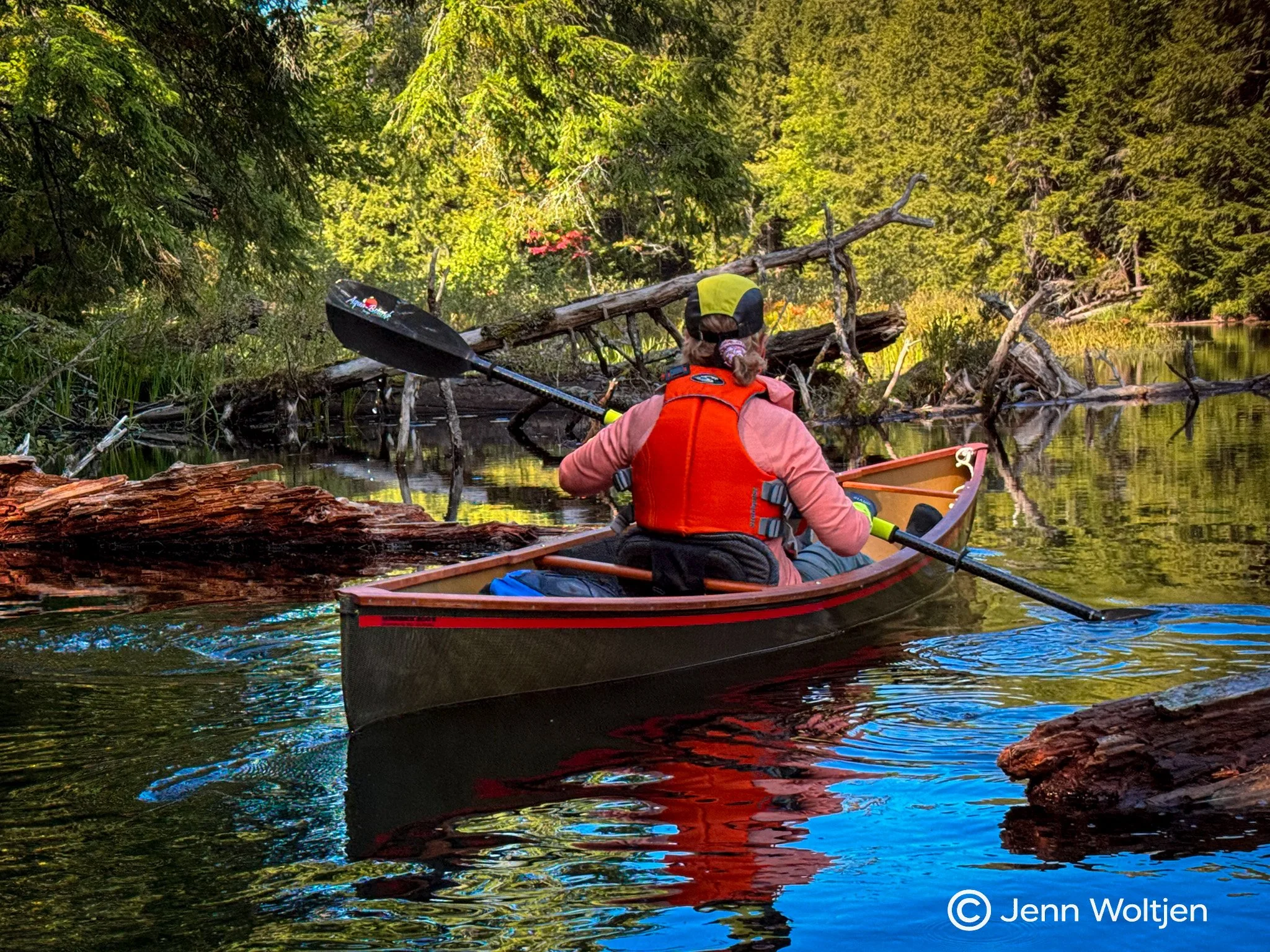
I never know when I may need to step out of my canoe.
Dry Bags
Water and gear don't always get along.
I carry a dry bag (or two) to organize my gear and protect essentials such as my phone, keys, extra layers, snacks, and camera equipment. Even on calm days, unexpected splashes, or rain showers could leave gear soaked.
Personally, I like to use both Granite Gear waterproof stuff sacks and Outdoor Research dry bags. Choose a few different sizes. My favorite colors are bright yellow and orange.
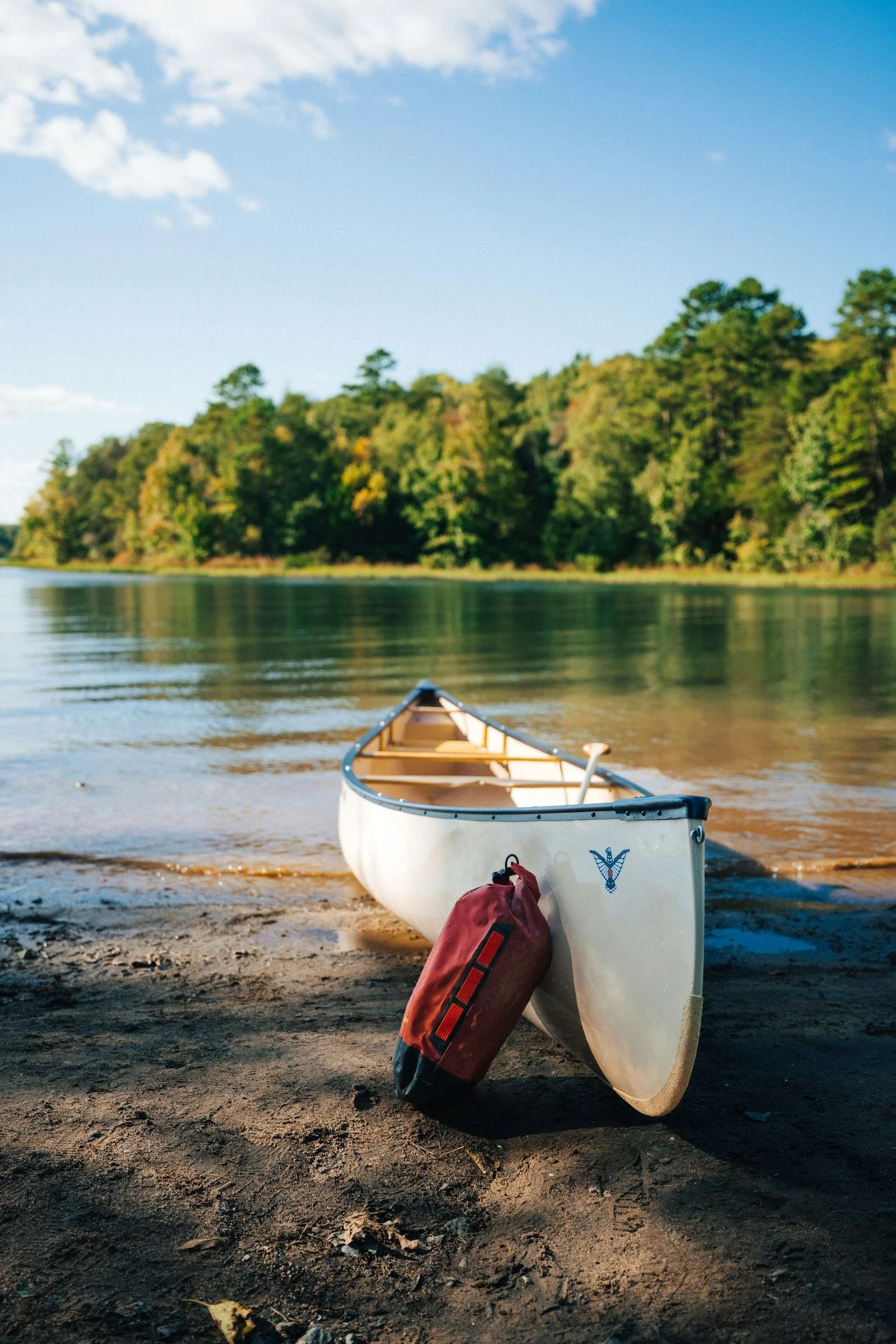
Bow/stern lines and utility knife
Tie lines and a utility knife are simple items that always come along with me.
Whether I'm securing my boat at a launch, preventing it from drifting away, cutting a piece of rope, or making a quick repair, both come in handy more often than I would have guessed.
They're lightweight, take up very little space, and have earned a permanent place on my paddling checklist.
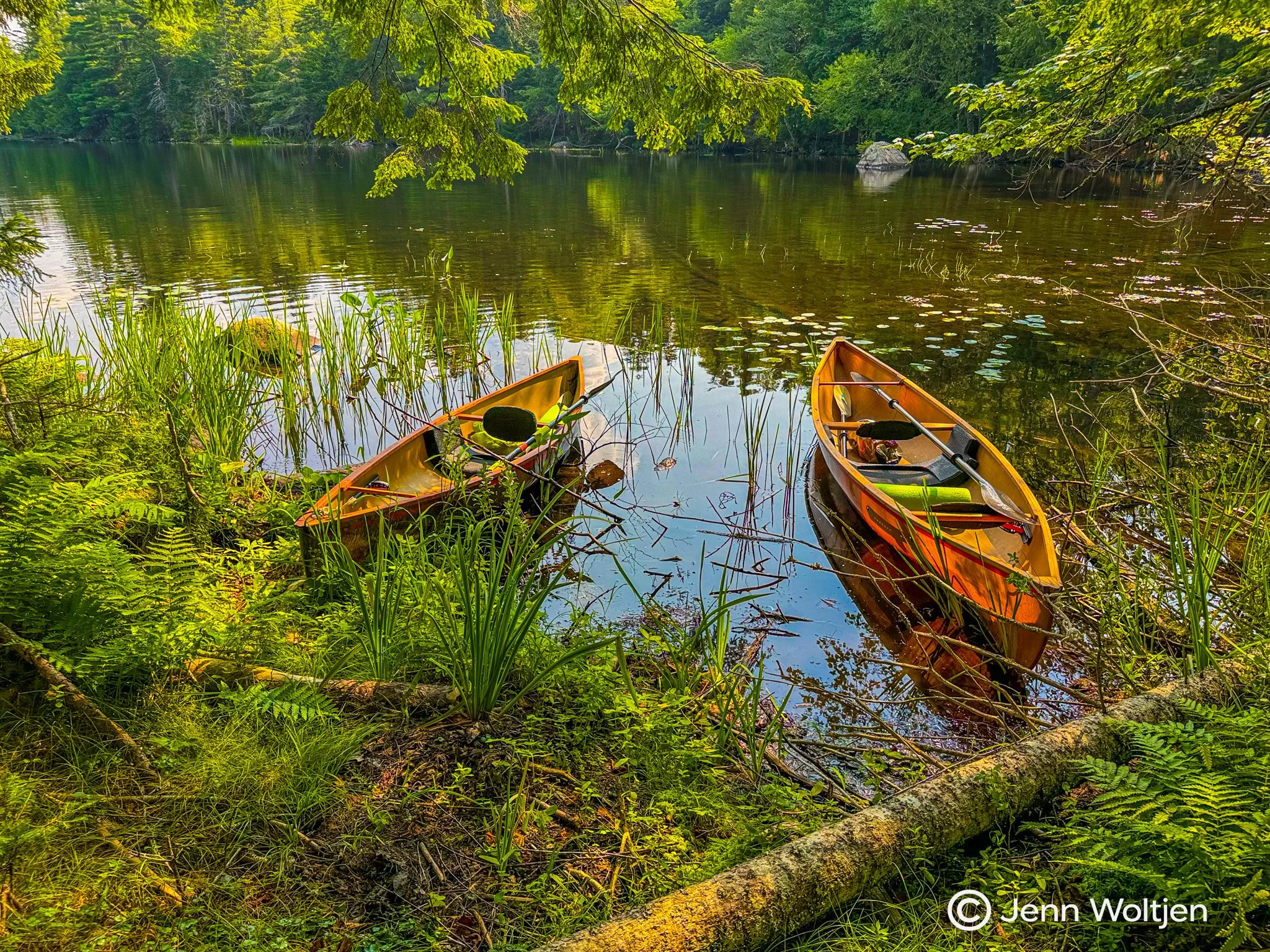
An impromptu stop on a small lake in the Adirondacks.
A small repair kit
I also carry a small repair kit with a few simple items that can solve a surprising number of problems on the water. My kit typically includes duct tape, zip ties in a few sizes, a multi-tool, a couple of carabiners, and a few safety pins. If I'm using dry bags, I'll often toss in a small repair patch as well. Thankfully, I've rarely needed these items, but they're reassuring to have along just in case.
Communication device(s)
Many of the places I enjoy paddling have limited or no cell service, particularly in the Adirondacks.
Depending on where I'm going, I may carry a communication device that allows me to stay connected or call for help if needed.
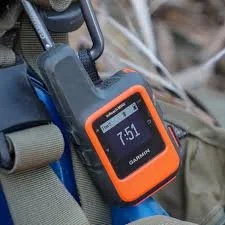
Garmin In-Reach Mini II
For local paddles, a fully charged cell phone may be enough.
For more remote adventures, I like to have an additional way to communicate in an emergency such as an In-Reach Mini or similar.
Look for a future post here on Gear Etc on emergency communication devices.
If I am depending on a cell phone, I may carry a pocket-sized phone charger. My favorite brand is Anker as they are lightweight and fast-charging. I also place my phone in airplane mode during my paddle to save on battery.
Hopefully, I'll never need it, but knowing I have a way to reach someone if conditions change provides valuable peace of mind.
Water and Snacks
Hydration is easy to overlook when you're surrounded by water.
I always carry plenty of drinking water, and for longer trips I'll pack a few simple snacks.
A paddle is always more enjoyable when I'm not distracted by hunger or dehydration.
You never know how long you may be out on the water so it is a good idea to have extra.
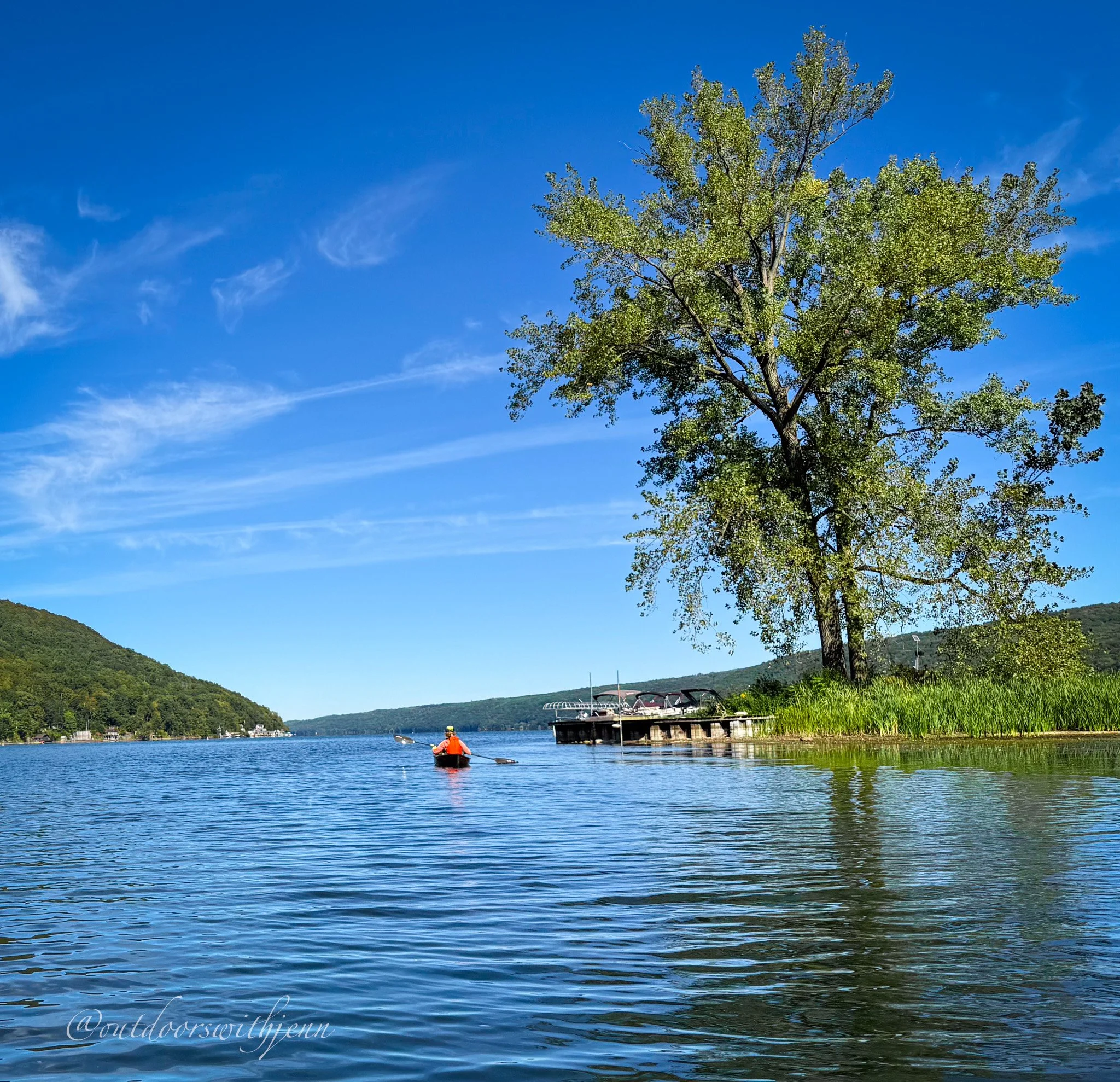
Paddling into Skaneateles Lake.
Sun and Bug Protection
Depending on the season, this can be just as important as any piece of gear.
A hat with a visor, sunscreen, sunglasses, and insect repellent can make the difference between a memorable day and a miserable one.
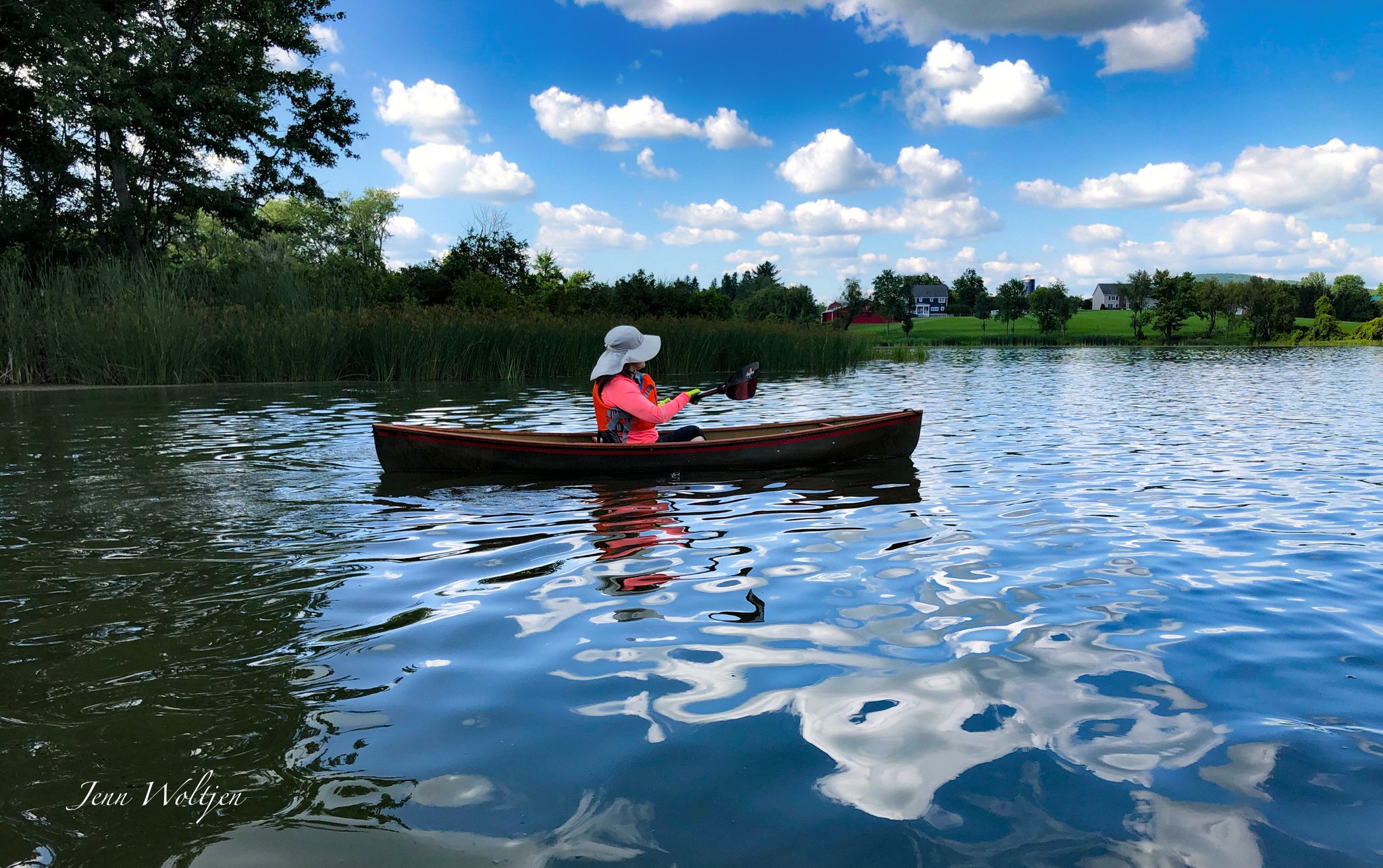
Paddling on Dryden Lake in the Finger Lakes
For overall sun protection, I like to wear a long-sleeved, breathable ultraviolet protection (UPF) shirt. There are many good ones on the market but I have been loving the UPF products from Outdoor Research.
Look for breathable fabrics that dry easily. I prefer a shirt with a hood that you can wear under or over a hat. Consider also wearing UPF shorts or long pants.
Polarized sunglasses are a must-have on the water. They reduce glare, protect my eyes from UV rays, and make it easier to see beneath the surface. Whether I'm paddling on a local lake or a remote Adirondack pond, they always come along for the ride.
My favorite bug protection these days is Sawyer Picaridin, a family-friendly spray that covers a wide variety of insects. Their 4-oz bottle is perfect for paddling.
Paddling Shoes
I’ve been loving my NRS Paddling Wet Shoes.
Over the years, I've tried a variety of footwear for paddling - Keen sandals with closed toes, crocs, lightweight hikers and others.
After years of fighting the mud, roots and rocks in the Adirondack waterways, I decided I needed more protection.
Whether I'm launching from a sandy beach, stepping into a stream, or navigating a rocky shoreline, these shoes provide excellent traction and protection.
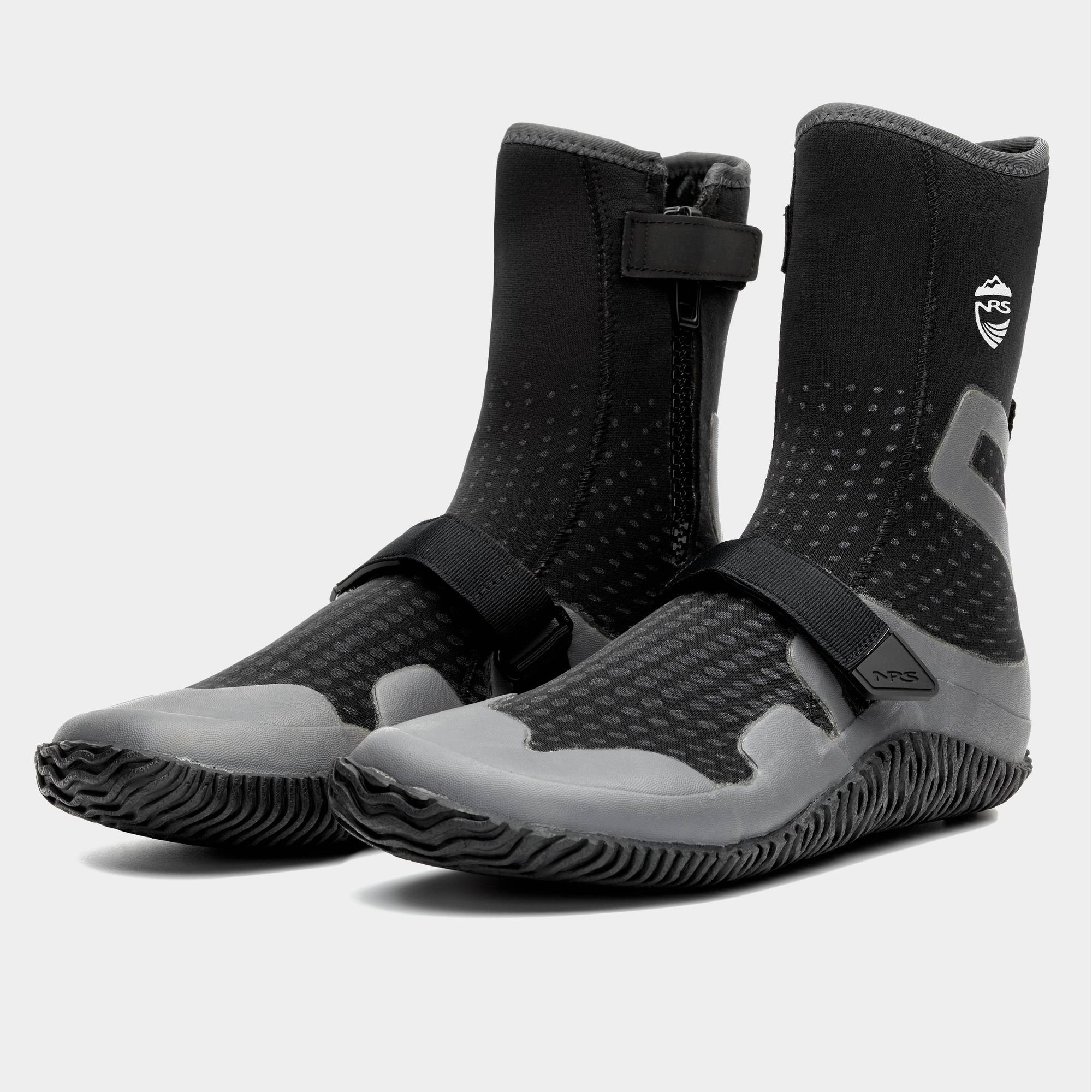
The NRS Paddling Wet Shoes are lightweight, comfortable and designed to get wet but still protect my feet. When it is cooler, I wear wool socks inside them.
They're one of those pieces of gear I rarely think about which is exactly why I like them. They simply do their job, and they come with me on every paddle.
A Small Medical Kit
Thankfully, I rarely need it.
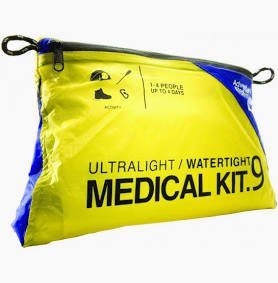
But a few basic supplies tucked away in a dry bag take up very little space and provide reassurance when exploring farther from the launch. Adventure Medical Kits make several sizes. I have the waterproof kit as pictured below. It costs about $14.00 USD (August 2026).
Essential Navigation Tools
A paper map (in a plastic sleeve) and a digital map downloaded to my phone before I leave home. I like to use the GAIA GPS app for online maps and navigation as I paddle.
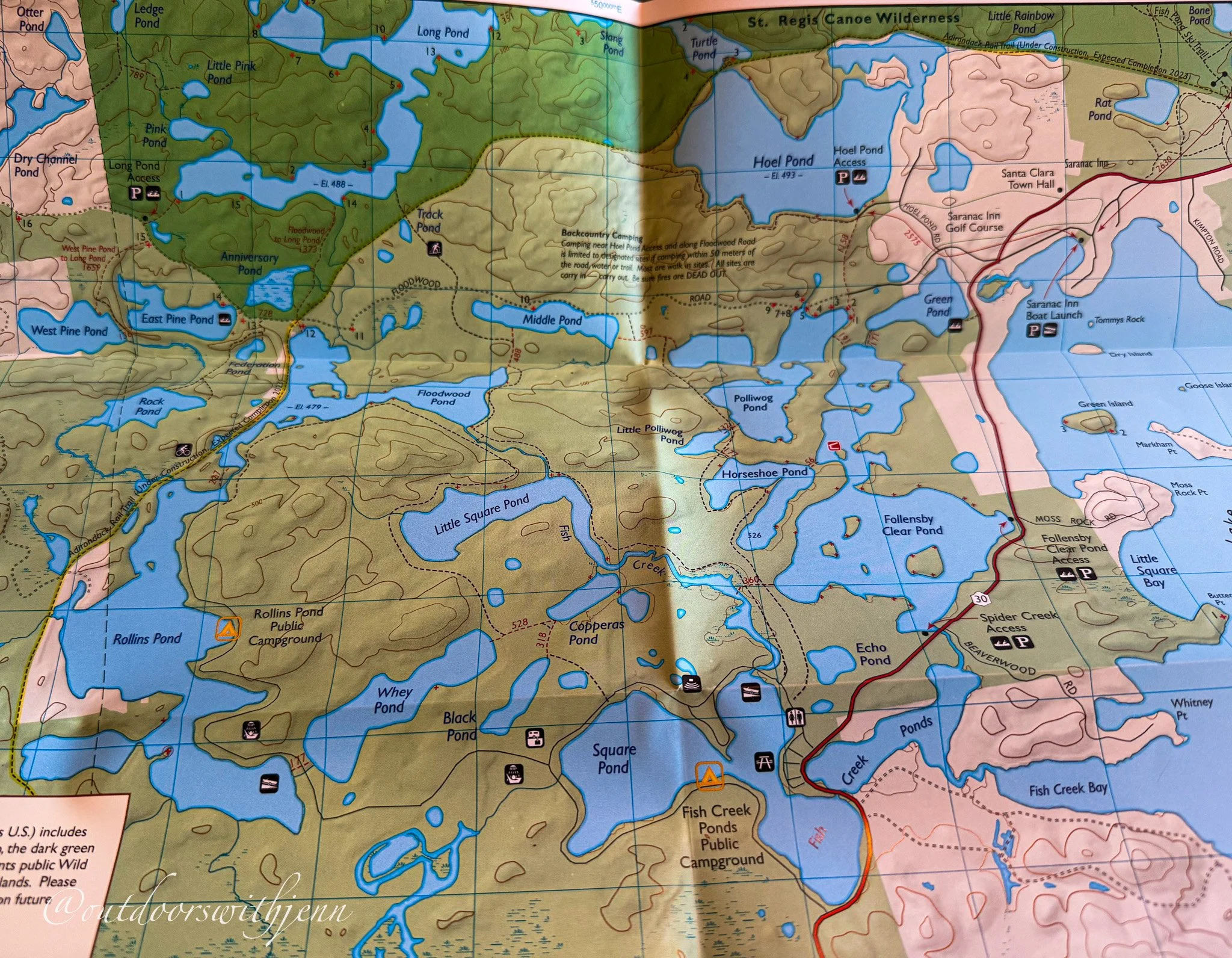
St Regis Wilderness Area in the Adirondacks, New York
Preparation Matters
If I had to choose one thing beyond the gear itself, it would be preparation.
Checking the weather before I start, understanding water conditions, telling someone where I'm going, and knowing my route are every bit as important as what I carry in my boat.
The gear helps me enjoy the experience.
Preparation helps me return home safely.
That's one of the reasons I created the Outdoors with Jenn Field Guides— a growing collection of practical checklists based on the packing lists I've developed and refined through years of my own adventures.
Get my Paddling Ready Checklist
Before you push away from shore, make sure you've got the essentials covered.
My Paddling Ready Checklist brings many of those reminders together in one place, with room to add your own.
Download to your mobile device, print it or save it to your phone or tablet. Keep a few copies handy when you're getting ready for your next day on the water.
The Paddling Checklist — and the complete Field Guide Library — is free to all Outdoors with Jenn subscribers.
How to Access the complete Field Guide Library
The Outdoors with Jenn Field Guide Library is available to everyone who subscribes to my newsletter — including free subscribers.
Once you subscribe, you'll have access to the complete library and any new guides I add along the way.
Right now, the collection includes:
Outdoor Adventure Ready Checklist
Hiking Ready Checklist
Backpacking Ready Checklist
Paddling Ready Checklist
Canoe Camping Checklist
Subscribe for free, visit the Field Guide Library, download the guides that work for you .
Follow the link below to Access the Field Guides.
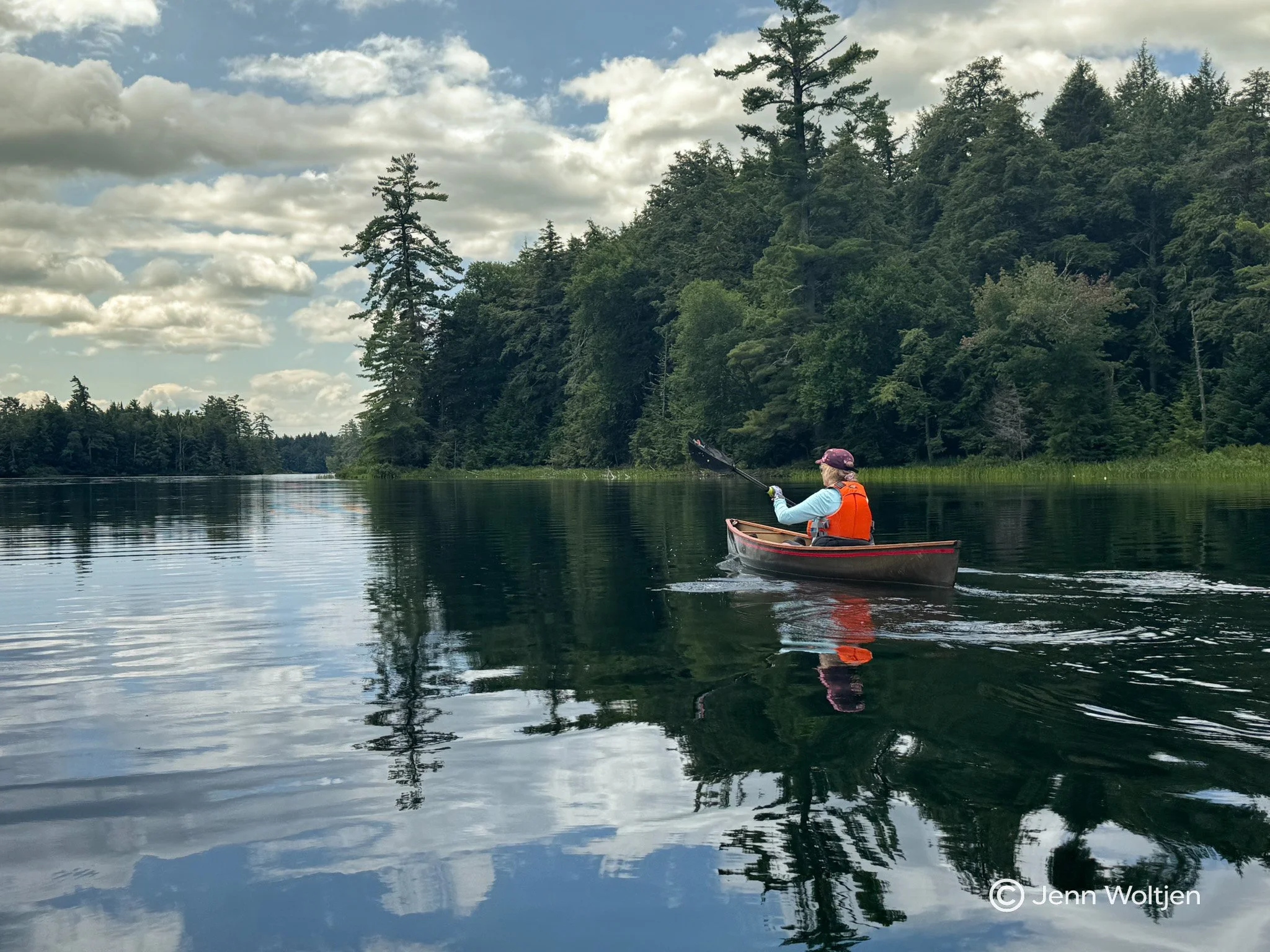
Paddling Follensby Clear Pond in the Adirondacks
What is the one piece of gear that you always take with you on your adventures?